
Provo, UT, and Utah County
Water Extraction Provo
Structural drying in Provo starts with water extraction. Pumps and extractors remove standing water, then air movers and dehumidifiers dry the walls, floors, and cavities, with moisture readings each day.
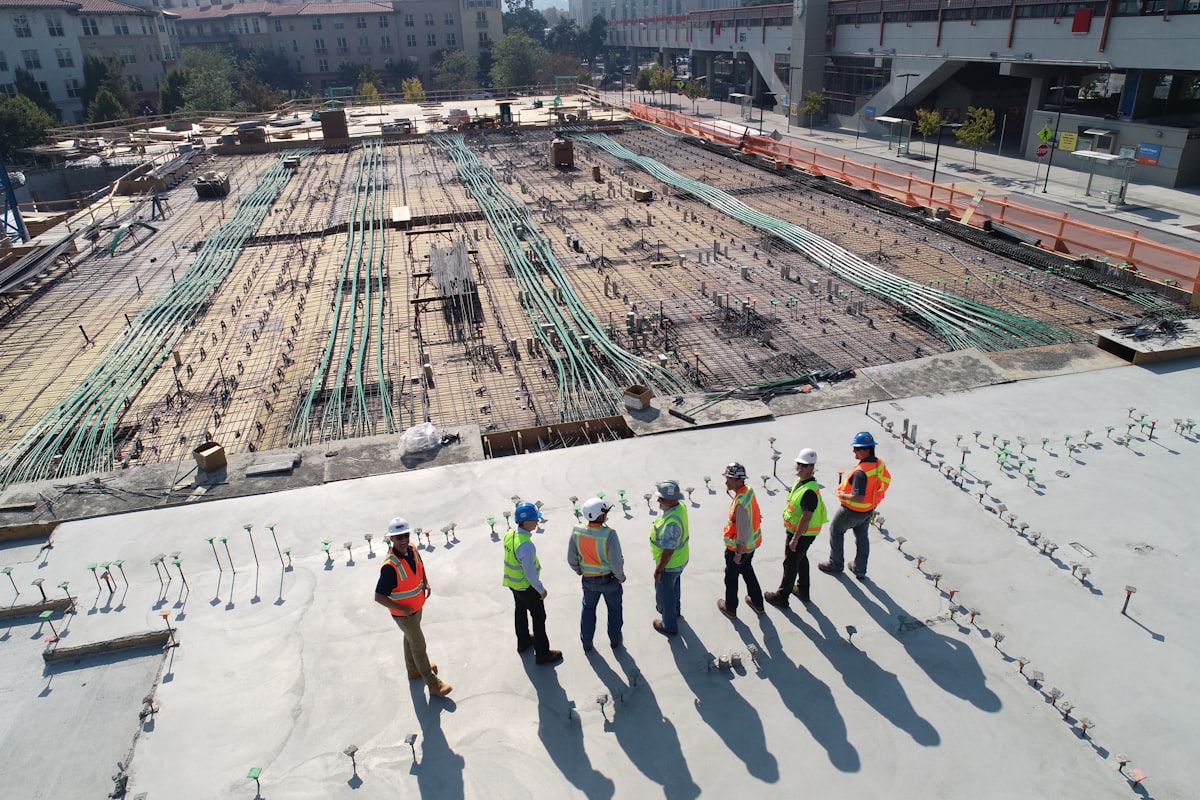
Water extraction and drying in Provo, how it works
Water removal in Provo is a process, not a single step. Each step has a job, and skipping one leaves moisture behind.
- Extract. Submersible pumps remove deep water. Truck mounted extractors pull water from carpet, floors, and concrete.
- Map moisture. Moisture meters and thermal imaging find wet walls, cavities, and subfloors. The wet area is mapped, so nothing is missed.
- Remove what cannot dry. Wet carpet pad, wet insulation, and lower drywall often come out. They hold water and grow mold.
- Dry the structure. Air movers and dehumidifiers work as a pair. Air movers push dry air over wet surfaces, and dehumidifiers pull moisture from the air.
- Check readings daily. The crew records moisture each day until wet material reaches the dry baseline. Then the equipment comes out.
Moisture mapping in Provo homes
A wall can look dry while the cavity behind it is wet. A ceiling can hide a leak from an upstairs bathroom. Thermal imaging shows cool, wet spots. A moisture meter gives a number, so the crew can compare wet and dry material in the same home. These readings document the drying, with photos of each step.
How long does drying take in Provo
Most clean water jobs dry in 3 to 5 days. Hardwood, plaster, and concrete take longer. A finished basement takes longer too, because drywall and carpet hold water. Category 1 clean water can become Category 2 gray water in 48 to 72 hours, so fast drying matters. Do not turn off the equipment early, even if the floor feels dry.
Dehumidification in Provo, what it does
A dehumidifier pulls moisture from the air, so wet walls and floors can release water. An air mover alone, without a dehumidifier, can push wet air into dry rooms. In Provo, drying runs through cold winters and warm summers, and the equipment is sized to the wet area, not to the whole house.
Related help: emergency water removal in Provo, burst pipe and frozen pipe repair in Provo, flood and basement cleanup in Provo, and water damage restoration in Provo.
Questions people ask in Provo
How long does water extraction and drying take in Provo?
Extraction takes hours. Drying often takes 3 to 5 days for a clean water loss in one room. Hardwood, plaster, concrete, and a finished basement take longer. Readings are taken each day until the dry baseline is reached.
What is structural drying?
It is drying the structure itself, not just the surface. Air movers push dry air over wet walls and floors, and dehumidifiers pull moisture from the air. Moisture meters check the progress each day.
Can I dry a flooded house with household fans?
Household fans help after extraction, but they do not replace it. Standing water must come out first with pumps and extractors. Then air movers and dehumidifiers do the drying work.
How do you find hidden water in walls?
With moisture meters and thermal imaging. A thermal camera shows cool, wet areas behind drywall. A moisture meter compares wet material with dry material, so the crew can map the wet area.
Why does drying matter if the floor looks dry?
A floor can look dry while the wall cavity, the subfloor, or the insulation is still wet. Hidden moisture grows mold in 24 to 48 hours, and it can warp floors and rot framing.
What is a dry baseline?
It is the moisture reading of dry material in the same home, such as an unaffected wall. Drying is done when wet material reaches that baseline, not when it feels dry to the touch.
Need water extraction in Provo? Get help now
Tell us what happened, where the water is, and the best number to reach you. A local restoration crew will call you back. Do not wait if water is still spreading, mold can start in 24 to 48 hours.
If water is near power outlets, do not step in it. Turn off power to the wet area from a dry place, if you can do it safely.
Call nowOwner note: the call button uses a placeholder number, TODO_OWNER_PHONE, until the real Ringba number is added.